
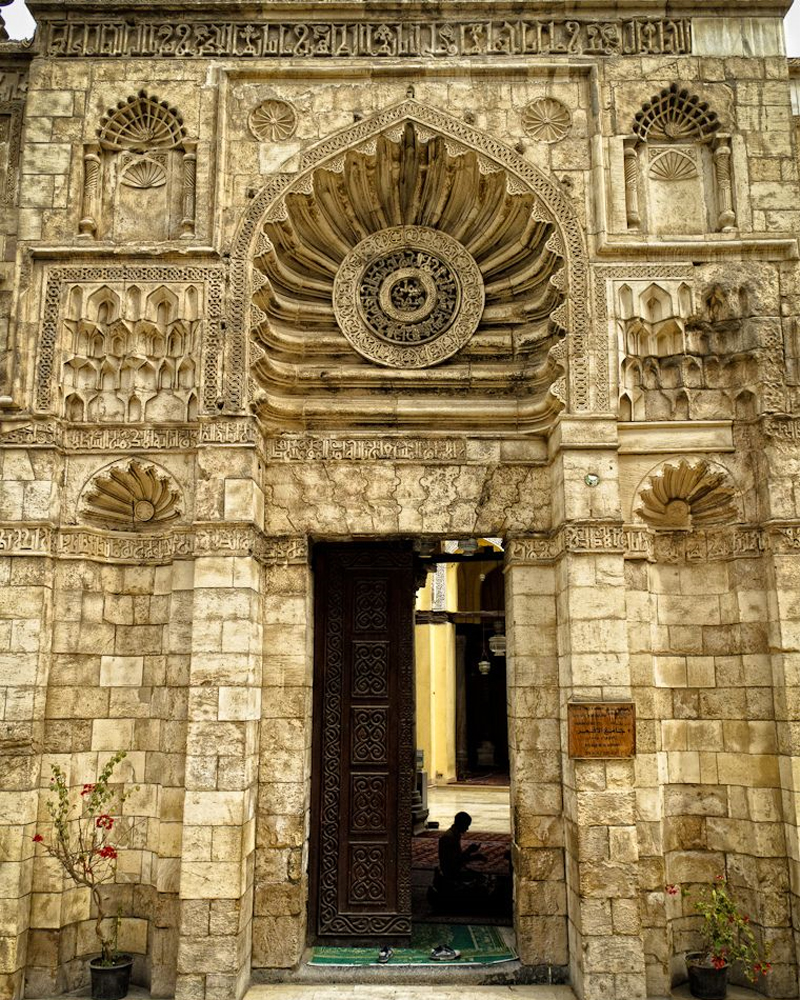
According to Amir al-Muminin Ali (as):
“There is no heritage greater than culture.”
It is our moral duty to Muhammad Rasulullah (S), his ‘Itrat Tahirah (as), and our Awliya (ra) to preserve their rich heritage. In contemporary academic usage, ‘Islamic culture and civilization’ often refers to the cultural practices associated with Muslim societies. As Islam emerged in seventh-century Arabia, Arab customs naturally influenced early Muslim culture. With the rapid expansion of Muslim polities, Islamic civilization encountered and assimilated elements from Persian, Turkic, Mongol, Indian, Malay, Berber, Indonesian, and other cultures.
Civilization is a term used in various ways but commonly refers to societies characterized by complex developments in technology, science, governance, and social organization. Islamic civilization has been profoundly shaped by Hadith, Sirah, and Sunnah, influencing art, literature, architecture, and calligraphy in Muslim regions. Abi Jafar Al-Imam al-Baqir (as) and Abi Abdillah al-Imam Jafar al-Sadiq (as) conducted wide-ranging circles of Daras, engaging groups of scholars and imparting diverse sciences. Through subsequent scholarly contact with Greeks and Persians, disciplines such as philosophy and Hikmah, Arabic prose and poetry, and multiple branches of al-‘ilm travelled widely. Muslims recorded their own history and that of others, often adding philosophical insight to events and places. Works associated with scholars such as al-Tabari of Baghdad, Sayyiduna Al Qadi al-Nauman of Al-Muizziyyah al-Qahirah, and Sayyiduna Idris Imaduddin of Yemen reflect a methodology that sought coherence, meaning, and intellectual rigor.
Islamic civilization is anchored in the value of ‘ilm, emphasized by the Qur’an and Rasulullah (S). Like a human being, every civilization has a body and a soul: its body is seen in material achievements – buildings, trade, tools, and worldly welfare, while its soul lies in its principles and concepts that shape conduct, relationships, and worldview. These elements form the distinctive character of Islamic civilization. At its core is Aqidah, with Tawhid as the central axis that contributed to the rise and flourishing of Islamic culture. This civilization, in its ideal spirit, is generous and open, welcoming people from across regions and backgrounds. It contributed immensely to science, learning, and the values of justice, dignity, equality, beauty, and virtue – regardless of race, colour, or even religion. Muslims and non-Muslims alike lived side by side within its orbit. Today, across the world, dedicated Muslims strive to meet modern challenges while remaining faithful to the enduring values of their heritage.
To see more articles, please scroll down