Tibb al-Islam discusses the medicines and methods of treatment of ailments granted by Muhammad Rasulullah (S), which later became known as Tibb al-Nabavi. This term has been understood by both physicians and commoners.
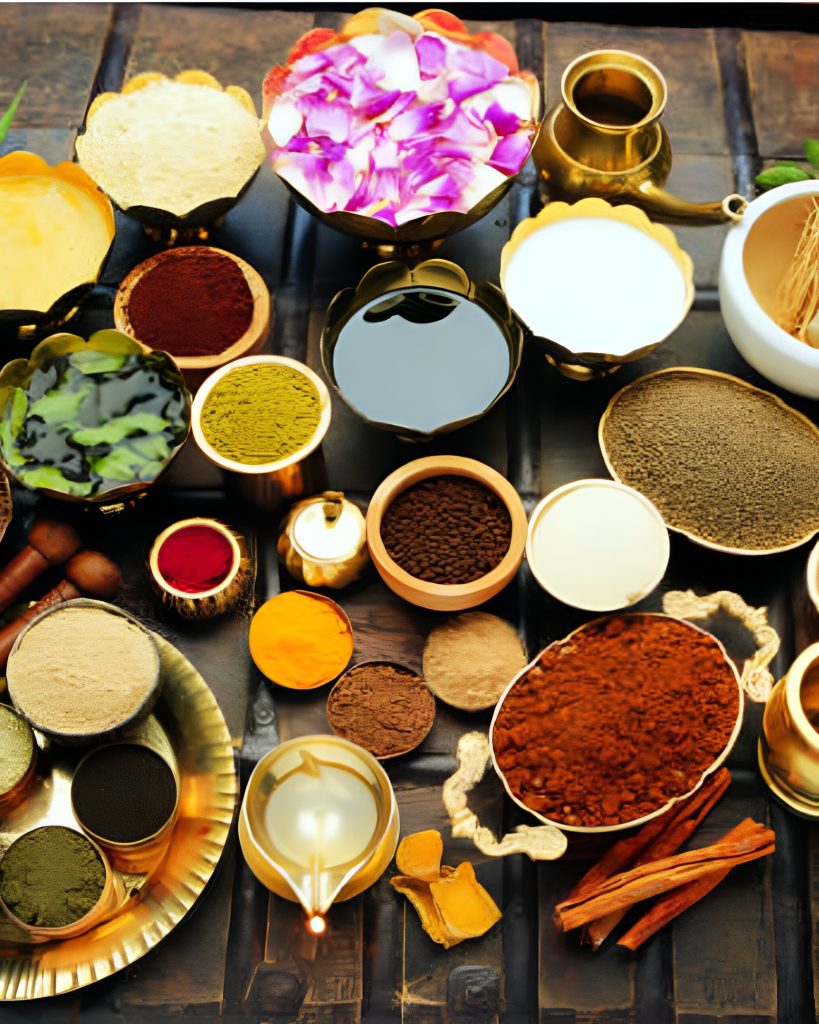
Tibb al-Islam discusses the medicines and methods of treatment of ailments granted by Muhammad Rasulullah (S), which later became known as Tibb al-Nabavi. This term has been understood by both physicians and commoners. Under the patronage of Muslims, Greek medicinal science developed and flourished and has become a part of Tibb al-Islam. According to Rasulullah (S), every disease has a cause and a cure. Nabawi medicinal traditions encourage constant research to find cures. The science of medicine flourished from the early era of Islam, as Rasulullah (S) provided numerous prescriptions and applications for the cure of many health disorders. Moula Abi Jafar Al Imam Muhammad al-Baqir (as) and Moula Abi Abdillah al Imam Jafar al-Sadiq (as) taught the science of medicine to selected students, who then trained others; this is how knowledge spread. Health professionals were highly regarded and patronized during the glorious era of the Fatimi Empire, which extended from the Atlantic shore of Morocco, eastward to Misr, Sh’am and Falasteen, and down the Arabian Peninsula to Yemen.
Shi’i Fatimi Ismaili Imams introduced the concept of hospitals outside of the city, which was later practiced by the West. Historical evidence reveals that Fatimi hospitals were highly regarded and well-equipped. There was a generously endowed hospital in al-Fustat known as Dar al-Shifa that was equipped with apparatus and abundant supplies to fulfill the needs of the poor and rich alike. The hospital served the academic and health needs of the community for almost four centuries with a well-furnished library, medical wards, facilities, and separate baths for men and women up to the Mamluk period in the fourteenth century. Works of Abu Jafar Ibn al-Jazzar of al-Qayrawan discussed in detail the contribution of Fatimi Imams to medico-pharmaceutical sciences. His father and uncle, Ibrahim and Abu Bakr Muhammad, were both well-known practitioners in the field of health. Ibn al-Jazzar took the lead in promoting medical teaching and practice and became the most eminent physician during the reign of Fatimi Imam al-Muiz (as).
Medical science under Muslims flourished in different parts of the world, was translated from Arabic to Latin in Europe, and was instrumental in developments in the health sector. For many centuries, “Canon of Medicine,” written by Al Shaikh al-Rais, Bu Ali Sina (ra), Da’i of the Shi’i Fatimi Ismaili Imam al-Hakim (as), was taught in all Western medical institutions. When we see our glorious past, we see progress and prosperity in all sectors, including scientific research and inventions. As a result, Europe arose from darkness and experienced the age of renaissance. In Arabia, however, the Golden Era of Muslims was culminating due to sectarian hatred, profligacy and corruption. Muslims became slaves of dominating nations and dependent on them for all their affairs.
It is important to note that the terms Islamic and Muslim medicine have been used interchangeably when discussing Tibb, albeit both have different meanings. Muslim medicine refers to traditional medicine practiced by Muslims. Islamic medicine, on the other hand, refers to values, ideals, guiding principles, and application of the Qur’an and Saheb al-Qur’an towards healing of the body and soul. Lack of understanding over the distinction between Islamic and Muslim medicines amongst the Ummah is gradually degrading the value of Islamic medicine. The modern world is reacting against Islam, belittling its influence and exaggerating its dependence on Greek and Roman Heritage. Changing times necessitate the need to acquire modern education, especially in science, technology and medicine, complemented with research into how Islamic teachings have served as the guiding principles for progress in the field of medicinal sciences.
To see more articles, please scroll down